
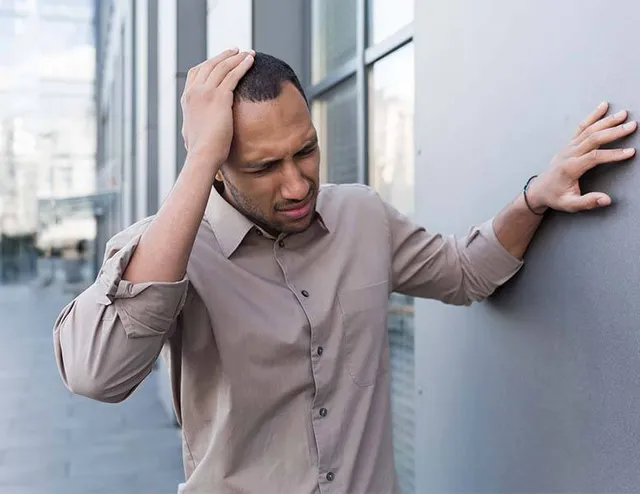
A concussion can influence much more than comfort after a head injury. People may notice headaches, dizziness, difficulty concentrating, sensitivity to light or noise, fatigue, sleep changes, or reduced tolerance for work, school, exercise, and screen time. Symptoms can vary widely from one person to another.
That variation is one reason individualized assessment matters. Someone looking for Concussion Management Camrose may need support that considers balance, vision-related symptoms, neck function, exercise tolerance, and the demands of everyday life rather than relying on a single recovery timeline.
The Neck Can Be Part of the Picture
Head injuries can occur alongside sudden movement of the cervical spine. As a result, neck stiffness, restricted movement, muscle tenderness, or headaches linked to the neck may appear at the same time as concussion-related symptoms.
Because the symptoms can overlap, careful assessment is useful. Headache or dizziness after an injury does not automatically come from one source. Looking at both concussion-related factors and the neck can help clinicians decide which findings are relevant and what should be addressed first.
Rest Is Not the Whole Recovery Plan
In the early stage after a concussion, reducing activities that strongly aggravate symptoms may be appropriate. However, prolonged complete inactivity is not usually the goal. Recovery often involves a gradual return to normal cognitive and physical activity as tolerated.
The pace should match the individual. Some people can increase activity steadily, while others need smaller steps. Monitoring symptom response can help guide decisions about walking, work tasks, reading, screens, exercise, and other daily demands without pushing too far too quickly.
Neck Symptoms Need Their Own Assessment
When neck pain continues after an injury, clinicians may assess movement, joint function, muscle control, posture, and how symptoms respond to different activities. Treatment choices depend on what the examination finds rather than assuming every person needs the same technique.
People exploring Neck Pain Treatment Camrose may benefit from a plan that combines education, movement, strengthening, and other appropriate physiotherapy strategies. The aim is to improve useful function while avoiding unnecessary dependence on passive treatment alone.
Balance and Dizziness May Need Attention
Some people experience dizziness, unsteadiness, or difficulty moving through busy environments after a concussion. These symptoms can make normal tasks such as walking through a store, turning the head quickly, or using stairs feel more demanding.
A rehabilitation assessment can explore whether balance, vestibular function, visual motion, or cervical movement appears to contribute. When appropriate, exercises can then be progressed gradually so the person can rebuild tolerance for movement in a controlled way.
Returning to Work or School Takes Planning
Going back to work or school is not always an all-or-nothing decision. A full day of screen use, reading, meetings, physical work, or noisy environments may be difficult even when shorter periods are manageable.
Temporary adjustments can make the transition more practical. Reduced hours, scheduled breaks, lighter duties, changes to screen exposure, or a staged return may be considered depending on symptoms and medical guidance. The goal is steady progress toward normal participation.
Exercise Can Be Reintroduced Gradually
Physical activity is another important part of recovery. Once it is considered appropriate, low-intensity activity can often be introduced and increased in stages according to symptom response and the person’s normal activity level.
For athletes, the process becomes more structured because returning to sport involves greater physical and cognitive demands. Progression may include aerobic exercise, sport-specific movement, non-contact training, and later stages of participation under suitable professional guidance.
Know When More Urgent Care Is Needed
Physiotherapy has a role in rehabilitation, but it is not a replacement for urgent medical assessment after a serious head injury. Certain symptoms require prompt evaluation, particularly when they are new, severe, or worsening.
After a head injury, urgent medical attention may be needed for symptoms such as repeated vomiting, seizures, increasing confusion, unusual weakness, significant deterioration, or loss of consciousness. When there is uncertainty, seeking medical advice is safer than attempting to self-manage.
Conclusion
Concussion recovery is rarely about one symptom or one treatment. Headaches, neck discomfort, balance problems, exercise intolerance, and difficulty returning to normal routines can interact, which makes an individualized assessment useful when symptoms persist.
A well-planned rehabilitation process looks at the person’s actual challenges and builds activity back in manageable stages. By considering both concussion-related symptoms and associated musculoskeletal issues, recovery can stay focused on safe, practical progress toward everyday function.
