
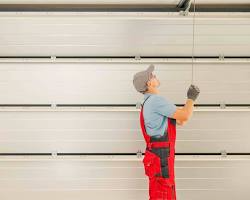
The garage door is a sophisticated piece of machinery that serves as the largest moving entry point to your home. While it is designed to operate seamlessly thousands of times over its lifespan, the internal components are under constant physical stress from tension, friction, and environmental changes. Maintaining the structural integrity of this system is essential for home security and the safety of your family. For those currently facing mechanical issues or looking to upgrade their existing setup, you can Click here For More Information regarding professional diagnostic services and modern installation options. Understanding the lifecycle of your garage door helps you transition from reactive repairs to proactive maintenance, ultimately saving you thousands of dollars in emergency service fees.
The Engineering Behind the Lift
A common misconception among homeowners is that the electric garage door opener is the primary force lifting the door. In reality, the opener acts more like a conductor, guiding the movement, while the actual heavy lifting is performed by the spring system. Whether your garage uses torsion springs, mounted on a header bar above the door, or extension springs, located along the side tracks, these components are wound or stretched to create a counterbalance. This balance allows a 200-pound door to feel like it weighs only a few pounds, making it easy for a small motor or a human hand to move it.
When these springs lose their elasticity or snap due to metal fatigue, the balance is lost. Operating a door with a broken spring puts immense torque on the opener’s motor, often leading to a secondary failure of the plastic drive gears. This is why a door that suddenly feels heavy or reverses immediately after starting to lift should never be forced. The springs are rated by “cycles,” and once they reach their limit, they will fail regardless of how well the rest of the door is maintained.
Environmental Stress and Material Longevity
In regions with diverse seasonal weather, the garage door acts as a thermal barrier for the home. Extreme cold can make metal components brittle and cause lubricants to thicken into a sticky paste, while high humidity can lead to oxidation and rust on tracks and hinges. For homes with attached garages, the insulation value (R-value) of the door panels significantly impacts the energy efficiency of the entire house. A poorly insulated door allows heat to escape in the winter and seeps cool air in the summer, forcing HVAC systems to work harder.
Beyond temperature, the physical environment of the garage, often dusty and damp, can lead to “roller seizure.” Most standard garage doors come with unsealed steel rollers that require frequent oiling. When these rollers stop turning, they drag along the track, creating friction that vibrates through the entire house. Upgrading to sealed nylon rollers is one of the most cost-effective ways to quiet a noisy door and reduce the wear and tear on the track system, as nylon provides a smoother, quieter glide without the need for constant lubrication.
Identifying Potential Safety Risks
Safety is the most critical aspect of garage door ownership. Because the door is heavy and operates under high tension, it poses a genuine risk if the safety features are bypassed or neglected. Modern doors are equipped with “photo-eye” sensors that send an infrared beam across the floor. If this beam is broken, the door will not close. While this prevents the door from closing on vehicles or pedestrians, these sensors are fragile and easily knocked out of alignment. Regularly checking that the sensor brackets are tight and the lenses are clear of cobwebs can prevent many “non-responsive” door issues.
Another vital safety component is the auto-reverse mechanism. You can test this by placing a solid object, like a piece of wood, on the floor in the path of the door. When the door strikes the object, it should immediately reverse and return to the fully open position. If it continues to exert downward pressure, the force settings on the opener are too high. This is a dangerous condition that requires professional recalibration to ensure the door responds correctly to an obstruction, protecting children and pets from accidental entrapment.
Modern Upgrades for Security and Convenience
The transition to “Smart Home” technology has revolutionized garage door management. Older openers used fixed-code technology that was vulnerable to “code grabbing,” where an intruder could record the signal from your remote and use it to open your door later. Modern systems utilize rolling code technology, which generates a new, encrypted code every time the remote is used, making it virtually impossible for unauthorized users to gain entry.
Furthermore, integrated Wi-Fi connectivity allows homeowners to monitor their garage door from a smartphone app. This provides real-time alerts if the door is opened while you are away and allows you to grant access to delivery drivers or service workers remotely. Some advanced models even feature integrated cameras and two-way audio, turning the garage door into a comprehensive security hub for the front of the property. These features not only provide convenience but also increase the overall resale value of the home by appealing to tech-savvy buyers.
The Value of Professional Maintenance
While basic cleaning and visual inspections can be done by any homeowner, the mechanical calibration of a garage door should be left to experts. A professional technician can spot early signs of cable fraying, which often happens inside the bracket where it isn’t easily visible. They also have the tools to measure the exact tension of the springs and ensure the door is perfectly level. An unlevel door will eventually cause the tracks to warp, leading to a much more expensive structural repair down the road.
Investing in a professional “tune-up” once a year is comparable to changing the oil in your car. It ensures that every nut, bolt, and hinge is tightened and that the motor is functioning at its intended efficiency. This preventative approach extends the life of the opener and the door panels, ensuring that the system remains a reliable part of your home’s infrastructure rather than a source of constant frustration and unexpected expense.
Optimize Your Home’s Entry System
A reliable garage door is the backbone of your home’s convenience and security. At Fix It Right Garage Doors, we are dedicated to providing the high-quality parts and expert craftsmanship needed to keep your system running smoothly year-round. Whether you are dealing with a noisy motor, a snapped cable, or you are looking to upgrade to a modern, insulated door, our team offers the transparent advice and professional service you deserve. We take the guesswork out of repairs, focusing on long-term durability and safety for your household. Find us here to schedule a comprehensive diagnostic check or to browse our latest selection of high-performance garage door models designed for both style and strength.
