
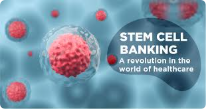
Pregnancy is a journey filled with choices: some small, some life-changing. As an expectant parent, you’ve a lot to cover; from planning doctor visits to preparing a nursery and choosing the safest diaper/skincare brand for your baby. Every decision is rooted in one simple hope. It is about giving your baby the best possible start in life. While most preparations focus on the day your baby arrives, some choices look further ahead, towards safeguarding their health in the years to come.
One such decision is stem cell banking, which means preserving your little one’s stem cells at birth. By doing so, you will be protecting them and your entire family from the impact of 80+ medical conditions.
This article breaks down stem cell banking in a clear, simple way, so you can make an informed choice that feels right for your family, both today and tomorrow.
What Are Stem Cells?
Stem cells are the body’s natural building blocks; remarkable cells that play a vital role in growth and repair. What makes them unique is their ability to support the body in two powerful ways.
- First, stem cells can renew themselves by dividing and creating more stem cells. This regenerative ability allows the body to maintain and repair tissues over time.
- Secondly, they can transform into different types of specialised cells, such as blood, muscle, or skin cells. This helps replace damaged or worn-out cells and supports overall health and recovery.
Because of these unique properties, stem cells are widely studied and used in the treatment of serious medical conditions. It makes them especially valuable when preserved early in life.
What Is Stem Cell Banking?
Stem cell banking, also known as cord blood banking, is the process of collecting and banking stem cells found in a newborn’s umbilical cord blood at the time of delivery. As we discussed earlier as well, these stem cells have the potential to develop into various blood and immune system cells.
Importantly, birth is the only opportunity to collect these stem cells safely and painlessly. Once discarded after delivery, this rich source of stem cells cannot be retrieved again.
Cord blood stem cells are already being used to treat several serious diseases, and ongoing research continues to explore new applications in regenerative medicine. By banking these cells, parents create a potential safeguard: one that may support future medical needs of their child and, in some cases, close family members as well.
How Is Stem Cell Banking Done?
The process of stem cell preservation is safe, painless and quite simple for both the mother and the baby. This is how it works:
- Collection: After delivery, once the umbilical cord is clamped and cut, doctors collect the remaining blood from the cord using a sterile collection bag.
- Transportation: The collected sample is transported to a certified laboratory under controlled conditions.
- Processing & Testing: In the lab, the cord blood is tested, processed, and the stem cells are separated for preservation.
- Cryopreservation: Finally, the stem cells are frozen at ultra-low temperatures in liquid nitrogen storage tanks, where they can remain viable for years.
Benefits of Stem Cell Banking
Stem cell banking offers several important benefits for families:
1. Supports Medical Treatment:
Cord blood stem cells are already used in transplants to treat conditions such as immune disorders, certain genetic diseases, and blood cancers like leukaemia and lymphoma.
2. May Help Family Members:
If the stem cells are a match, they may be used not just for the child, but also for siblings, parents, and in some cases, even grandparents.
3. Future Medical Possibilities:
Ongoing research in regenerative medicine is exploring how stem cells could help repair damaged tissues and organs, opening up new treatment options in the future.
4. Peace of Mind:
By banking stem cells, families gain reassurance because they know of having a valuable medical resource preserved in case it is ever needed.
Summing Up
Choosing to preserve your baby’s cord blood stem cells is entirely your decision. What we can do is guide you with the right information. LifeCell Community Stem Cell Banking offers protection that goes beyond your baby. It extends to your family and covers over 80 medical conditions, along with multiple future health benefits.
