
Introduction
Hair loss is a common concern that affects both men and women, often influencing confidence, self-image, and overall quality of life. While genetics play a major role, factors such as stress, hormonal imbalance, medical conditions, and lifestyle choices can accelerate the process. In recent years, Platelet-Rich Plasma (PRP) therapy has emerged as a promising treatment option for hair restoration. Unlike surgical hair transplants, PRP is minimally invasive and uses the body’s natural healing mechanisms to stimulate new growth.
At Victoria Rose Aesthetics, we specialize in personalized solutions that combine advanced clinical expertise with a deep understanding of individual needs. If you’ve been wondering whether PRP hair restoration is right for you, this article explores the science behind the treatment, its effectiveness, and what you can realistically expect.
1. What is PRP Hair Restoration?
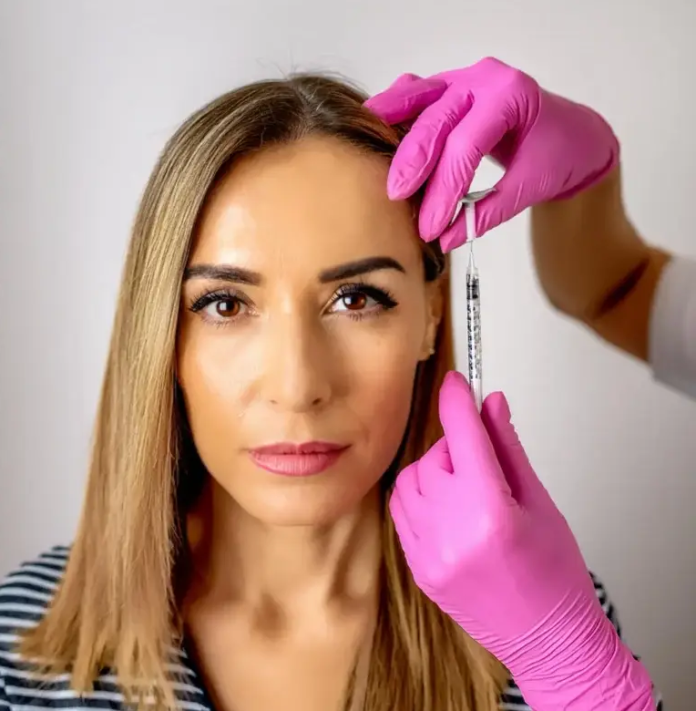
PRP hair restoration is a medical procedure that uses a patient’s own blood to encourage hair regrowth. Platelets are small components in the blood best known for their role in clotting, but they also contain powerful growth factors that help heal tissues and stimulate cellular repair. When concentrated and injected into the scalp, these growth factors work directly on dormant or weakened hair follicles to trigger new growth.
How the Procedure Works:
- A small sample of blood is drawn from the client, similar to a routine blood test.
- The blood is placed in a centrifuge, a machine that spins at high speeds to separate components. This process isolates the platelet-rich plasma from red and white blood cells.
- The concentrated PRP is carefully injected into areas of the scalp experiencing thinning or hair loss.
Because the plasma comes from your own body, there is no risk of allergic reactions or rejection. This natural process makes PRP especially appealing to those looking for a safe, drug-free solution.
Clinical Insight: Research shows that PRP supports natural regrowth mechanisms while minimizing side effects.
2. How PRP Stimulates Hair Growth
The secret to PRP’s effectiveness lies in its ability to activate growth factors that directly influence hair follicle activity.
- Growth Factor Activation: Platelets release proteins such as platelet-derived growth factor (PDGF), vascular endothelial growth factor (VEGF), and transforming growth factor (TGF). These send powerful signals to hair follicle stem cells, pushing them into the active growth (anagen) phase.
- Improved Blood Supply: PRP boosts circulation in the scalp, ensuring follicles receive more oxygen and nutrients. Better blood flow also helps prolong the survival of weakened follicles.
- Reduced Inflammation: Chronic inflammation can damage follicles and worsen hair loss. Growth factors in PRP reduce inflammation, creating a healthier scalp environment.
Clinical Evidence: Multiple studies confirm PRP’s ability to improve hair density, thickness, and follicle survival in patients with androgenetic alopecia.
3. Effectiveness and Expected Results
PRP is not a one-time miracle treatment, but a progressive therapy that delivers results over time. On average, clients can expect:
| Parameter | Typical Outcome |
|---|---|
| Hair Density | 15–30% improvement after 3–6 sessions |
| Hair Thickness | Noticeable increase in shaft diameter |
| Timeframe | Visible improvement within 3–6 months |
| Maintenance | Booster sessions recommended every 4–6 months |
It’s important to remember that results vary. Factors such as age, overall health, degree of hair loss, and consistency with follow-up treatments all influence outcomes. Clients who combine PRP with a balanced diet, proper scalp care, and recommended topical or oral treatments often achieve the best results.
Expert Insight: Patience is key—PRP works gradually, and consistency ensures long-term improvement.
4. Who is a Good Candidate for PRP Hair Restoration?
PRP is most effective when introduced early in the hair loss process. Ideal candidates typically include:
- Men and women with early-to-moderate hair thinning or androgenetic alopecia (male or female pattern baldness).
- Clients who prefer a non-surgical, minimally invasive option over hair transplants.
- Individuals with healthy blood counts, as sufficient platelet levels are essential for PRP effectiveness.
- People willing to commit to multiple sessions and ongoing maintenance for sustained results.
Clinical Note: PRP may not be effective for individuals with advanced baldness, severe scarring on the scalp, or medical conditions affecting platelets. That’s why a professional consultation is vital to set realistic expectations.
5. Combining PRP with Other Hair Treatments
While PRP is powerful on its own, it can be even more effective when combined with complementary therapies. A multi-faceted approach maximizes follicle stimulation and prolongs results.
- Topical Minoxidil or Oral Finasteride: These medications enhance follicle survival and growth when used alongside PRP.
- Microneedling: Creates tiny channels in the scalp, allowing growth factors in PRP to penetrate deeper and improving blood circulation.
- Low-Level Laser Therapy (LLLT): Non-invasive light therapy that energizes follicles and boosts PRP effectiveness.
At Victoria Rose Aesthetics, we often recommend a customized treatment plan that integrates PRP with other proven therapies to deliver the most comprehensive results.
6. What to Expect During and After the Procedure
Many clients are pleasantly surprised by how straightforward and comfortable PRP treatment is.
- During the Session: The entire process takes about 60–90 minutes. A numbing cream may be applied to minimize discomfort during injections.
- Aftercare: Clients can resume normal activities immediately, though mild tenderness or swelling in the treated area may occur for 1–2 days.
- Recovery: Because PRP is natural and autologous, recovery is quick, and side effects are minimal compared to surgical options.
7. Long-Term Outlook and Maintenance
PRP therapy is not a permanent cure for hair loss, but rather an ongoing treatment that maintains and enhances hair growth. Regular maintenance sessions every few months help sustain results. For many clients, PRP becomes part of a broader wellness and aesthetic routine.
Conclusion
PRP hair restoration represents a breakthrough in regenerative aesthetics, offering a natural, safe, and minimally invasive solution for hair thinning and early hair loss. By harnessing the body’s own growth factors, PRP helps awaken dormant follicles, improve scalp health, and promote thicker, fuller hair over time.
At Victoria Rose Aesthetics in Pickering, we provide personalized care and expert guidance to ensure each client achieves the best possible outcome. If you’re ready to take the next step toward healthier, more confident hair, schedule a consultation today and discover whether PRP is right for you.
Your journey to fuller, healthier hair starts here—naturally.
Visit us at our Pickering clinic
victoriaroseaesthetics.ca
Call to schedule your consultation: (905) 903-3300
